 (561)988-8000



It often happens fast. A loud argument. A neighbor calls 911. Police show up at your door, and suddenly the conversation turns into an arrest. Before you know it, you are standing in front of a judge, trying to make sense of bond conditions, no-contact orders, and court dates you never expected to have.
For many people in this position, the most overwhelming part is not knowing what will happen next. In Broward County, domestic violence charges can move quickly through the system. Prosecutors are trained to take these cases seriously, and once they are filed, they do not simply disappear because someone changes their mind. Even if the person who called the police says they want to drop the charges or execute a waiver of prosecution, the state can keep the case going if there is other evidence. When you need experienced help, Leifert & Leifert understand Broward County Domestic Violence Trials.
What is the Process for a Domestic Violence Case?
Florida law defines domestic violence broadly. Assault, battery, and stalking can qualify if they involve family members or people living together. In Broward County, these cases are often handled by specialized prosecution units. The rules they work under can be strict.
Your first court appearance, usually within 24 hours, is where a judge decides bond and other conditions. A no-contact order is common. If you violate it, you are facing a new charge and possibly jail until trial.
Some charges are misdemeanors, others are felonies. Domestic battery by strangulation, for example, is a third-degree felony that can bring years in prison. If the court finds bodily harm and the charge qualifies as a crime of domestic violence, state law requires at least a short jail sentence, and that minimum increases if a child was present.
Building a Defense for a Domestic Violence Charge
A strong defense is not built overnight. It starts with collecting and protecting evidence as soon as possible. That can mean saving text messages, call logs, and location data. It might involve getting copies of 911 recordings, reviewing body camera footage, or gathering medical records.
Some cases turn on credibility — who the jury believes. Others involve claims of self-defense or evidence that the contact was accidental. There may also be a civil injunction or restraining order to deal with at the same time, which can complicate matters.
Every step matters:
- Write down witness names while they are fresh in your mind
- Follow no-contact orders exactly
- Keep records that may support your side
- Stay off social media about the incident
Because prosecutors can rely on evidence other than the alleged victim’s word, defense lawyers often prepare for that reality from day one. The goal is to challenge weak evidence, limit what the jury hears, and keep the process fair.
Moving Forward in Broward County Domestic Violence Trials
If you are facing a Broward County domestic violence trial, the decisions you make now will follow you into the courtroom. The earlier you get experienced guidance, the better chance you have to manage the situation on your terms.
Leifert & Leifert offers confidential consultations to review your case and explain what to expect. No attorney can promise an exact outcome, but having a clear plan and a strong advocate can make all the difference when the stakes are this high. Call our firm today.
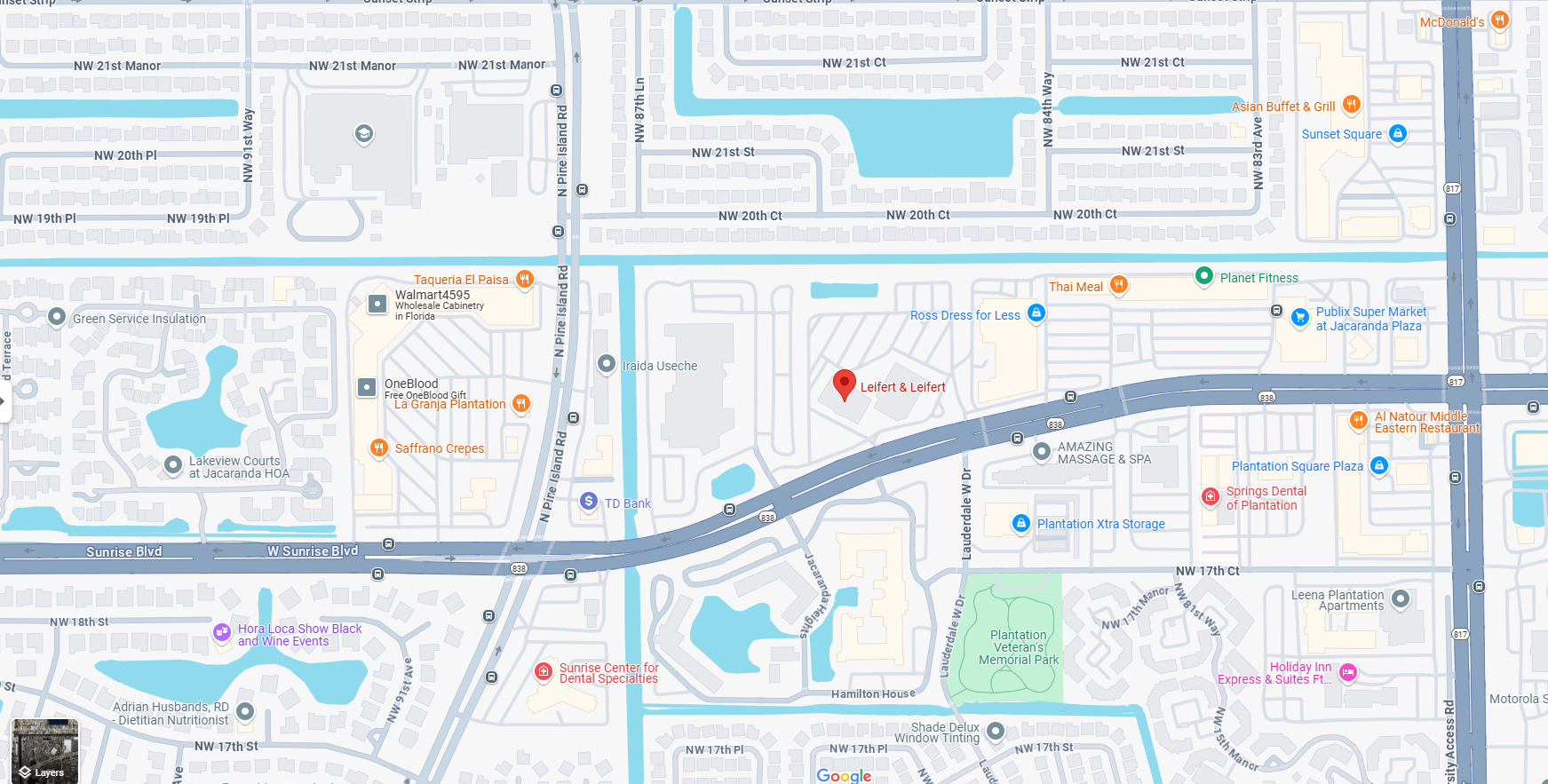
Plantation
- 8551 W Sunrise Blvd Suite
#102
Plantation, FL 33322 - (954)424 2200
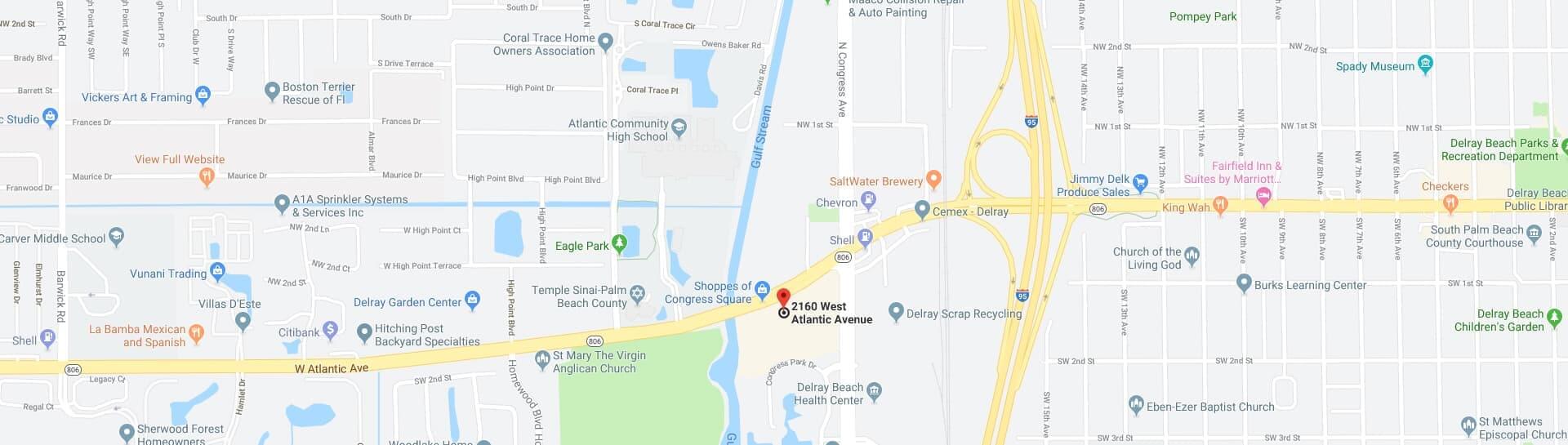
Delray Beach
- 2160 W Atlantic Ave
2nd Floor
Delray Beach, FL 33445 - (561) 988-8000
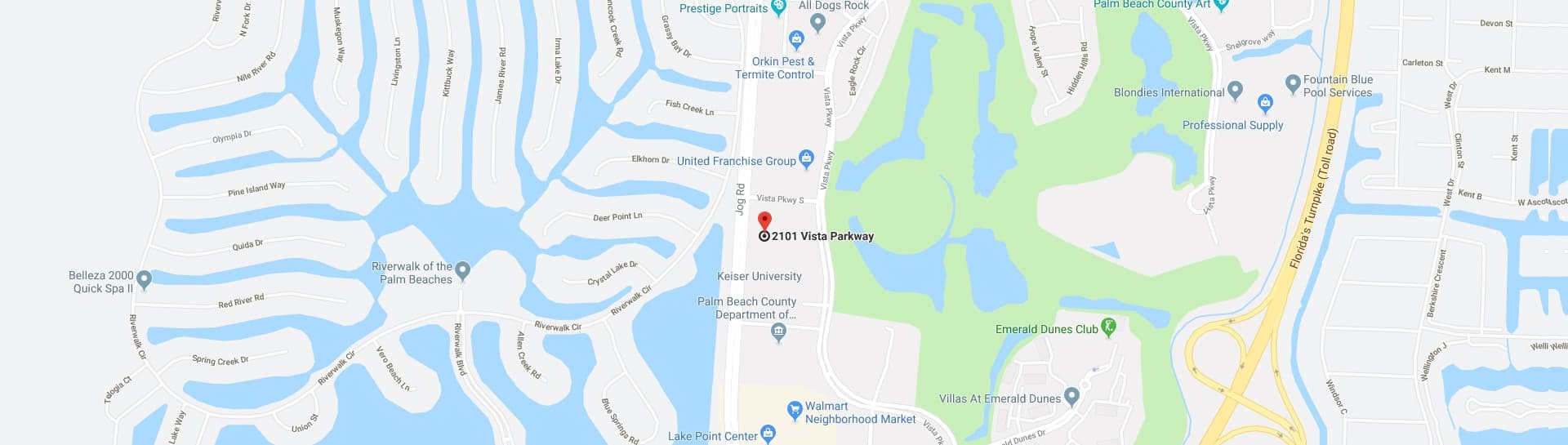
West Palm Beach
- 2101 Vista Parkway
#1006
West Palm Beach, FL 33411 - (561) 833-4300
Palm Beach Gardens
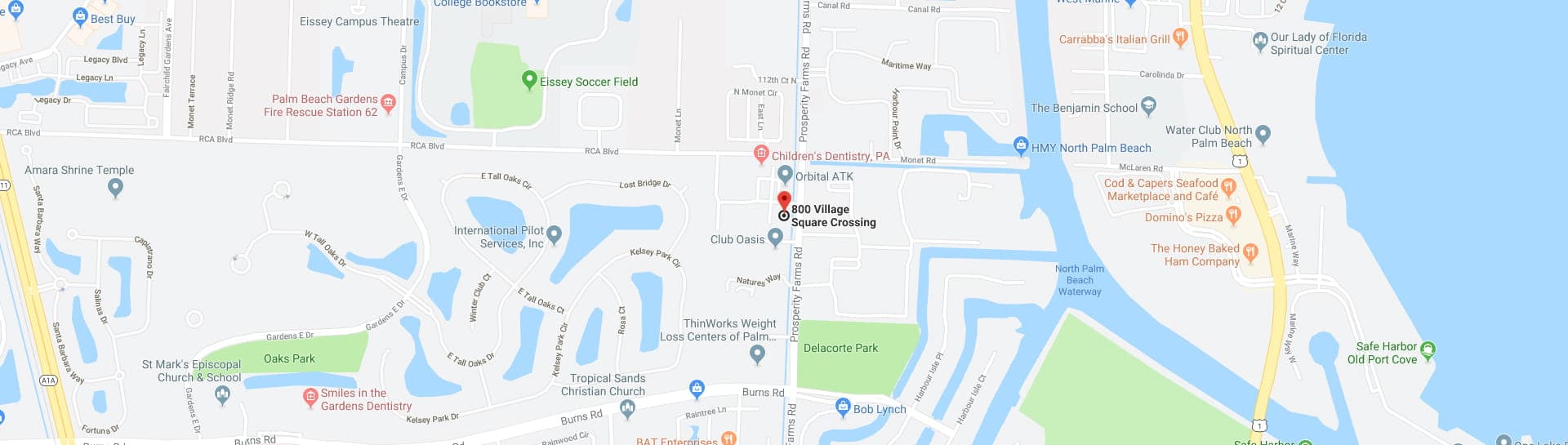
- 800 Village Square Crossing
Palm Beach Gardens, FL 33410 - (561) 575-6880
Boca Raton
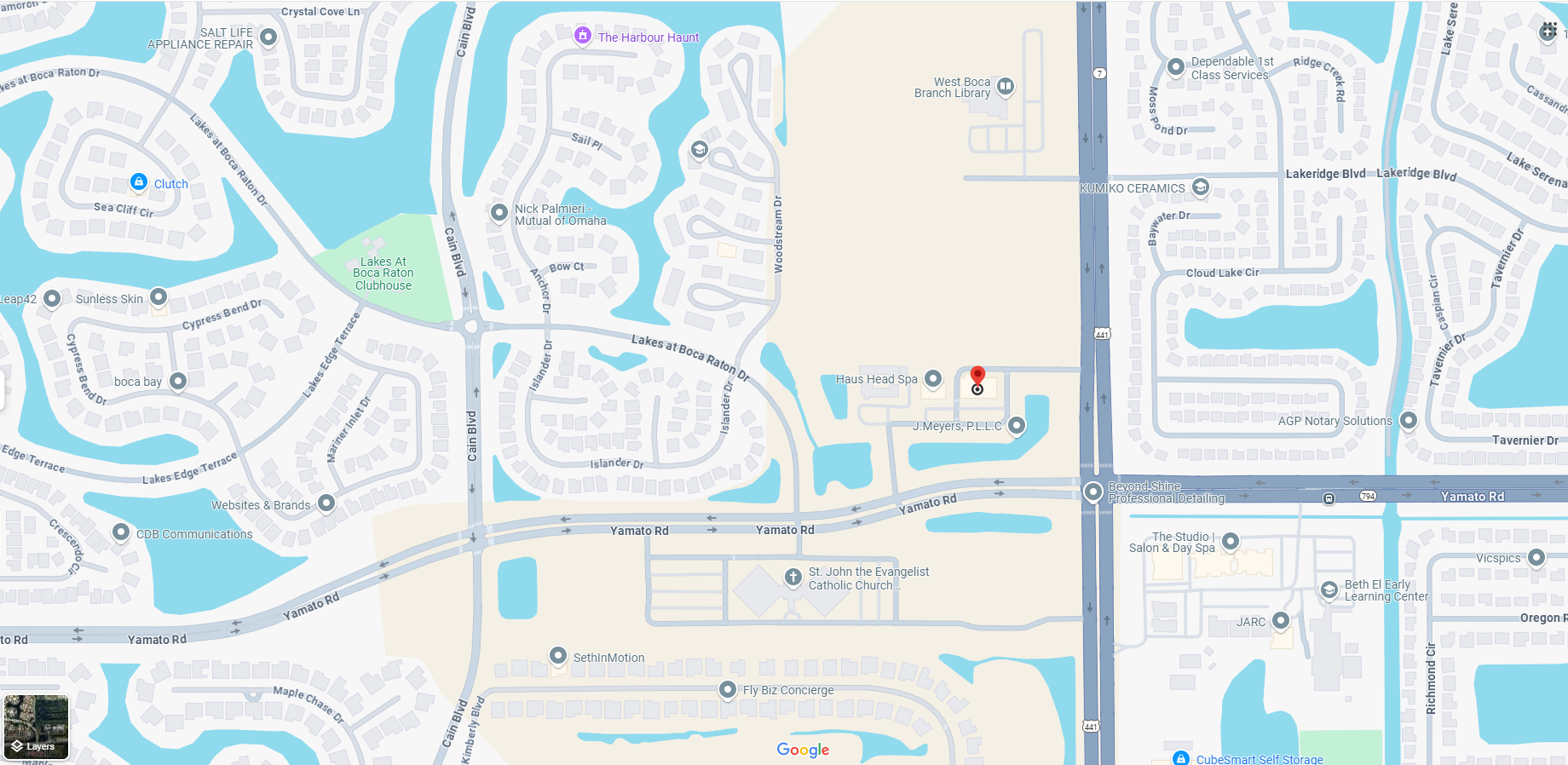
- 10055 Yamato Road
Suite 509
Boca Raton, FL 33498 - (561) 988-8000
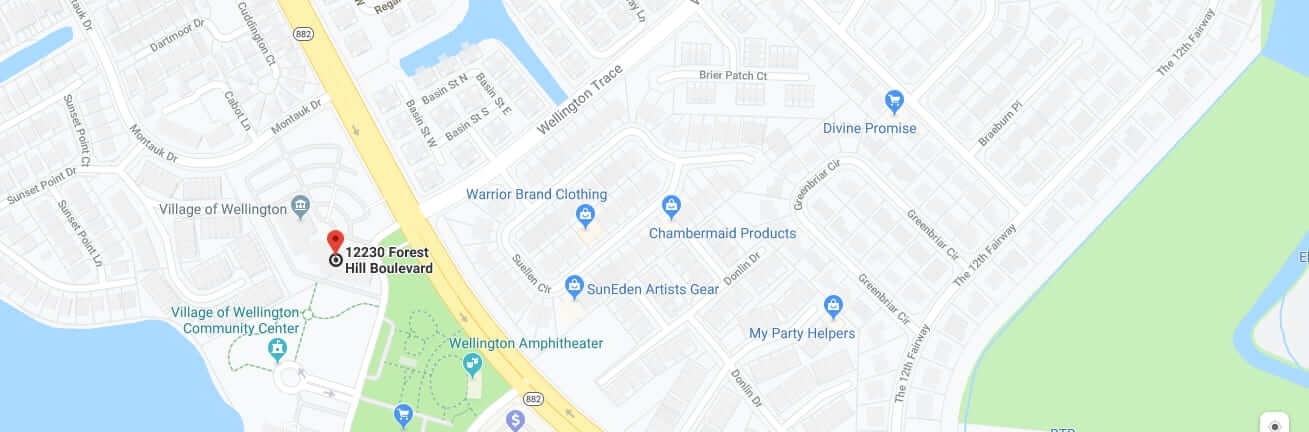
Wellington
- 12230 Forest Hill Blvd
Wellington, FL 33414 - (561) 833-4300