 (561)988-8000


We all make mistakes. The law in the State of Florida recognizes the fact that a momentary lapse in judgment that resulted in criminal charges shouldn’t necessarily be a scar on one’s reputation for the remainder of their life. Generally, Florida law states that for certain qualifying offenses, an individual may be eligible to have their records sealed or expunged. The law also provides that an individual’s criminal record be free of any prior convictions in order to be eligible. An individual can only take advantage of sealing or expunging their record one time only.
Leifert & Leifert is a criminal defense law firm offering and skilled representation to individuals looking to seal or expunge their records for criminal offenses. If you would like information sealing or expunging of your criminal charges, contact a Ft Lauderdale expungement Lawyer near you today.
Difference Between Expungement and Record-Sealing
When a record is sealed, the public will not be able to access any information. There are, however, specific exceptions to this general rule. For example, as a Ft Lauderdale record sealing Attorney can explain, there are certain entities that can still access the sealed record. They are as follows:
- If you are seeking employment with a criminal justice agency.
- If you are the subject of future criminal prosecution.
- If you are seeking to be licensed by the Florida Bar to practice law in the State of Florida.
- If you are seeking employment, to be licensed or contract with the Department of Children and Families, Agency for Health Care Administration, Agency for Persons with Disabilities, Department of Juvenile Justice.
- If you are seeking to be employed or licensed by the Department of Education, certain types of public schools, private schools or child care facilities.
- If you are seeking employment or access to one of Florida’s seaports.
- If you are seeking to purchase a firearm.
When a record is Expunged, the above entities will not have access to the actual record. They will, however, be informed that the record has been expunged but will be denied access.
For both sealing and expunging, if you are not dealing with any of the above the entities or scenarios, you may lawfully deny or fail to acknowledge the events covered by the sealed or expunged. In other words, it’s as if your record is returned to the way it was before the case ever occurred.
Expungement Process
The road to a sealed or expunged record can oftentimes be a lengthy one. It requires contacts with the Courts, the State Attorney’s Office, the Florida Department of Law Enforcement and then back with the Court again for a Petition or Motion to Seal or Expunge the record.
Our Ft Lauderdale record sealing Lawyers will look for ways to eliminate the record of your criminal charges. An expungement lawyer near you is available to guide you through the process.
Is it Possible to Expunge Multiple Records in Fort Lauderdale?
In the State of Florida, it is almost impossible to expunge multiple charges/convictions. The State only allows for one expungement on a record to exist, meaning that if a defendant has multiple charges or convictions on their record, they could only be able to expunge one offense. Even if a person has already had their record expunged/sealed in another State, they are unlikely to do so once a person has done so already. However, if there are multiple arrests related to one offense, the State may allow to expunge those arrests if they have are directly related to an offense.
Key Steps in the Expungement Procedure
Expunging a criminal record takes more than filing a single form with the Court. We must first establish that your record qualifies under Florida law, obtain approval from the Florida Department of Law Enforcement (FDLE), and then file a formal Petition with the Court to enter an expungement Order. Our expungement Attorneys in Ft. Lauderdale can guide you through every step, including:
Reviewing Your Eligibility
The first step involves determining whether the arrest and its final disposition qualify for expungement. An Attorney can review the charges, court records, prior criminal history, and how the case ended.
This review matters because a dismissed charge does not automatically qualify you. Prior convictions, previous expungements, certain juvenile adjudications, and the type of offense involved can affect eligibility.
Obtaining the Required Case Documents
We also need information and documents from the criminal case before you complete the application process. These records establish what charges you faced and how they were ultimately resolved.
Obtaining the correct disposition is especially important because FDLE uses this information to determine whether you meet the state requirements for a Certificate of Eligibility.
Applying for a Certificate of Eligibility
Before asking a Court to expunge your record, we must apply to FDLE for a Certificate of Eligibility. The application requires supporting documentation and other required information so FDLE can examine your criminal history.
FDLE then determines whether you meet the statutory requirements for an expungement. Receiving the Certificate does not expunge the record by itself. It allows us to move forward with a petition asking the Court to grant that relief.
Filing a Petition With the Court
After receiving a Certificate of Eligibility, we can petition the appropriate Court to expunge the record. The petition must include the required certificate and sworn statements concerning your eligibility.
However, the court does not automatically grant an expungement simply because we have the Certificate. The Certificate establishes that you are eligible, but the Judge ultimately decides whether to grant the petition.
Distributing the Expungement Order
If the Court grants our petition, the Judge enters an Order directing the appropriate agencies to expunge the qualifying criminal history record. The Order must then reach FDLE and the other agencies responsible for maintaining the case records.
Who Is Eligible for Expungement?
Florida places strict limits on who can receive a Court-ordered expungement. You may generally qualify if prosecutors never filed charges or if the charges were dismissed, dropped, or otherwise resolved in a manner permitted under Florida’s expungement law.
Your broader criminal history also matters. For example, we generally cannot obtain a Court-ordered expungement if you have previously been adjudicated guilty of a criminal offense.
That means your eligibility can turn on details that may not seem significant when you first review your record. Our Ft. Lauderdale Attorneys can review your case before determining whether you are eligible for expungement.
Contacting a Ft Lauderdale Expungement Attorney
If you are looking for help with any record sealing case, please contact one of our Ft Lauderdale expungement Lawyers near you for a free consultation.
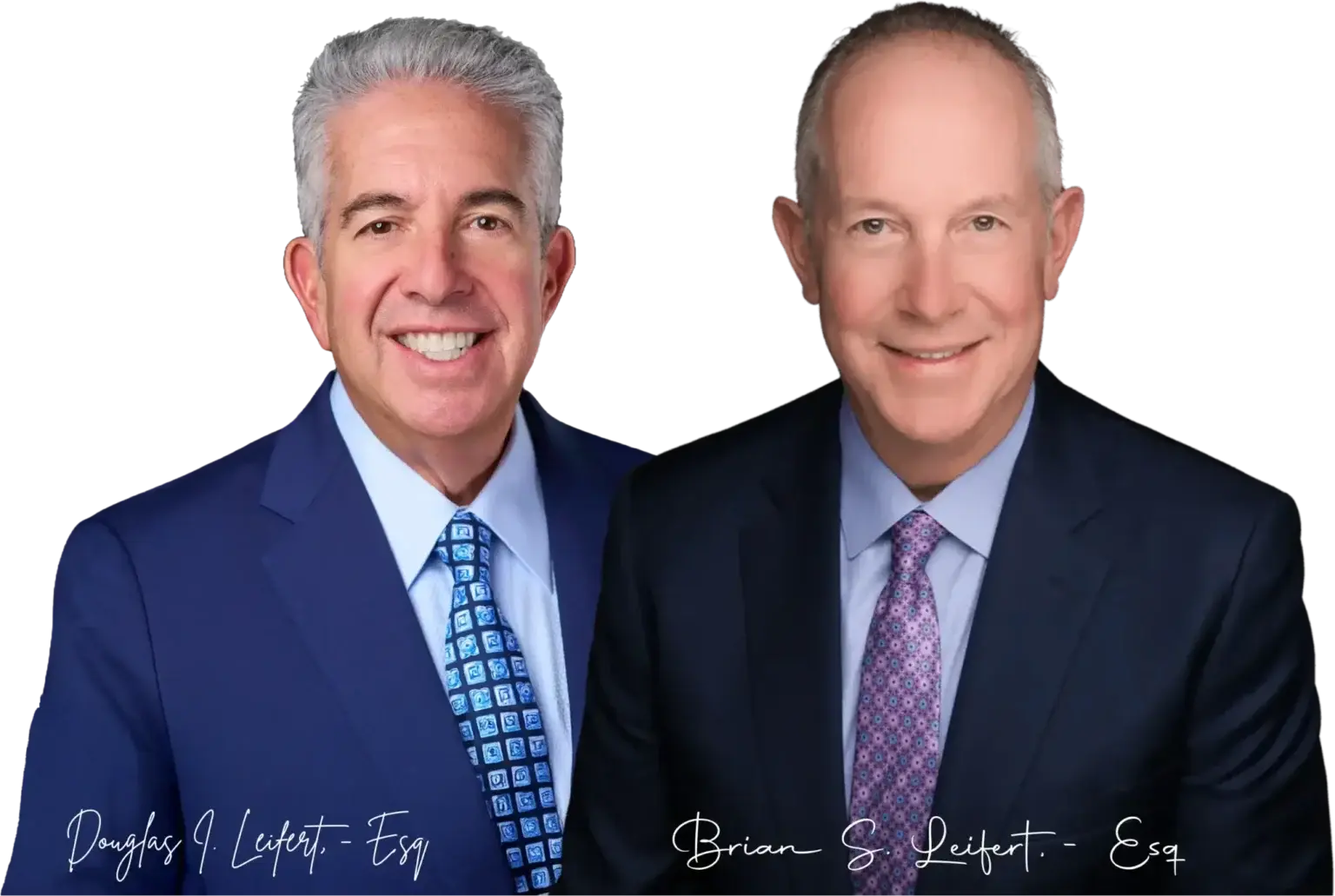
As former Prosecutors, the Attorneys at Leifert & Leifert have the experience needed to effectively represent individuals looking to seal or expunge their records in Florida. Please contact us to schedule a consultation to discuss how we can protect your record.
If you would like to learn more about this wonderful legal remedy, call us and we will be happy to give you additional information.
It gives us great pleasure to clear an individual’s record in order to restore one’s reputation, improve employment prospects, and contribute to one’s overall well-being.
Client Review
Scott B.
Talented Lawyer
Doug is a very talented individual that has the respect of judges and prosecutors. He is fair and to the point. I have recommended him over the years that I have known him. I feel that if you hire him you will be well served
Rating:
★★★★★
5 / 5 stars
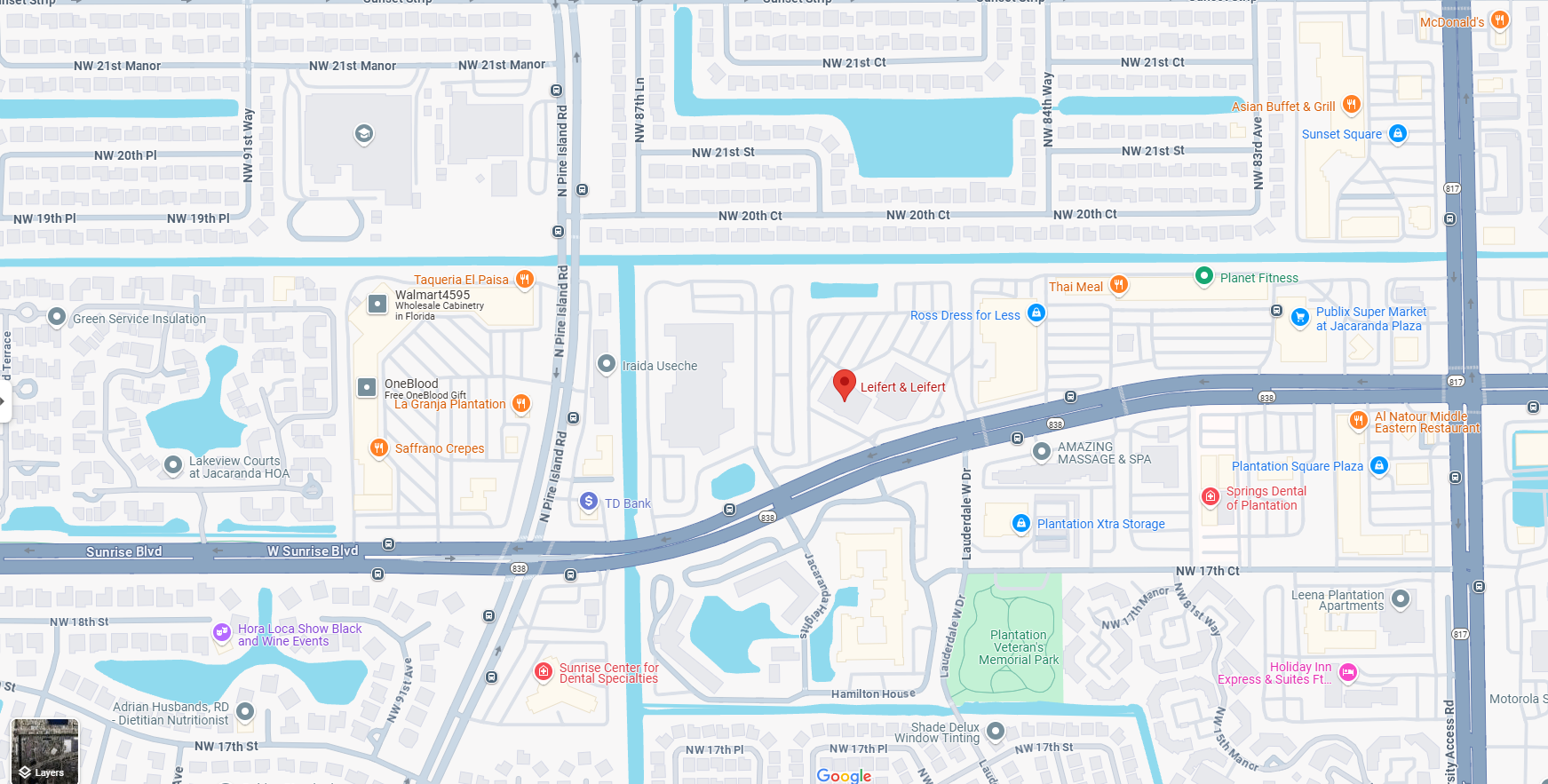
Plantation
- 8551 W Sunrise Blvd Suite
#102
Plantation, FL 33322 - (954) 523-9600
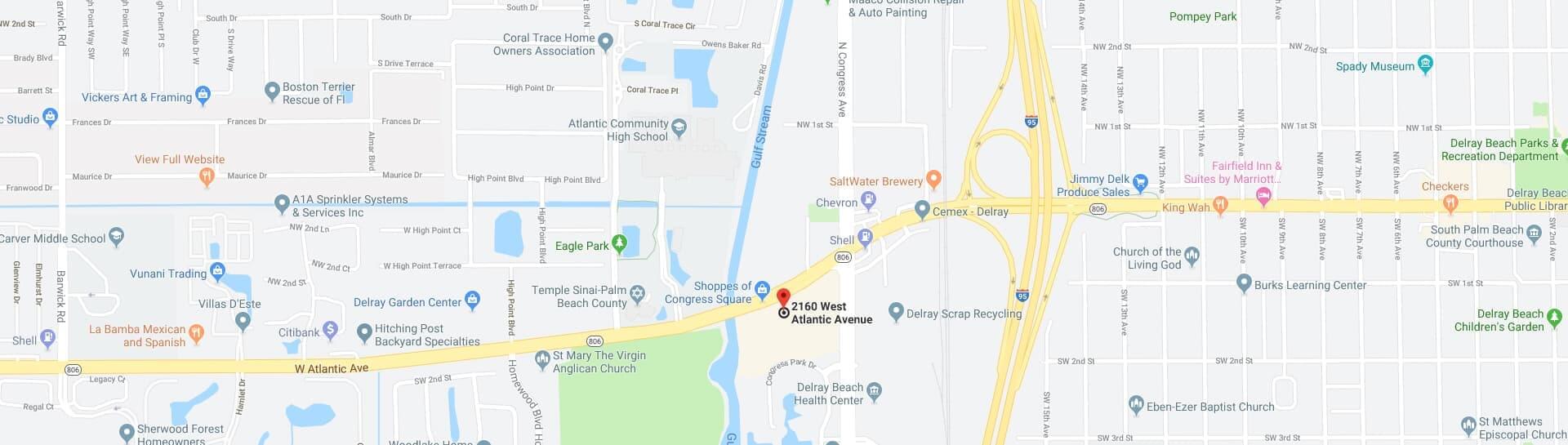
Delray Beach
- 2160 W Atlantic Ave
2nd Floor
Delray Beach, FL 33445 - (561) 988-8000
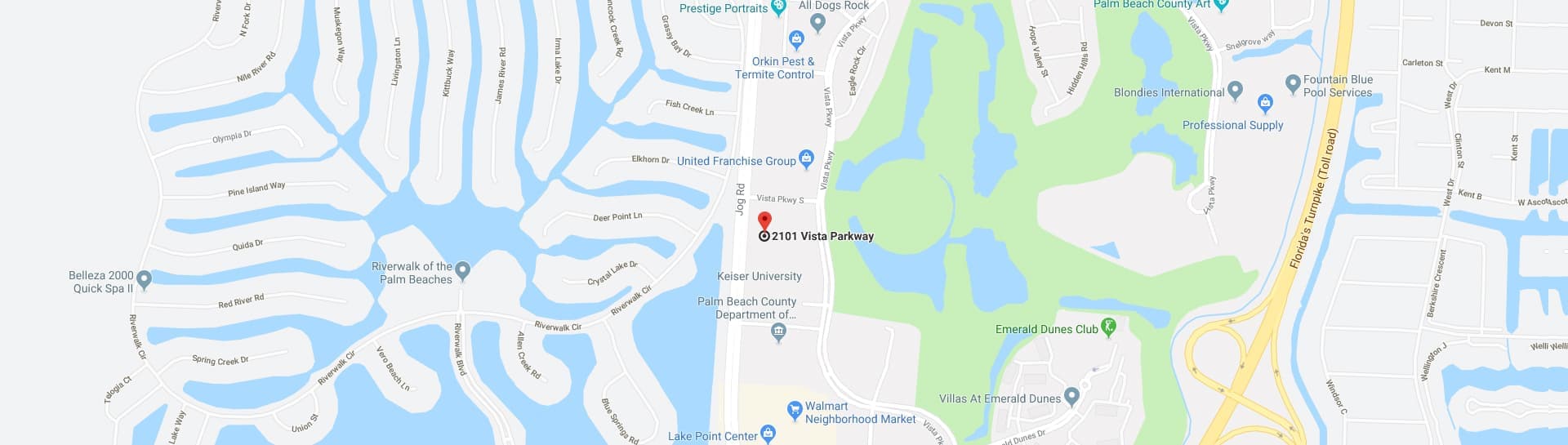
West Palm Beach
- 2101 Vista Parkway
#1006
West Palm Beach, FL 33411 - (561) 833-4300
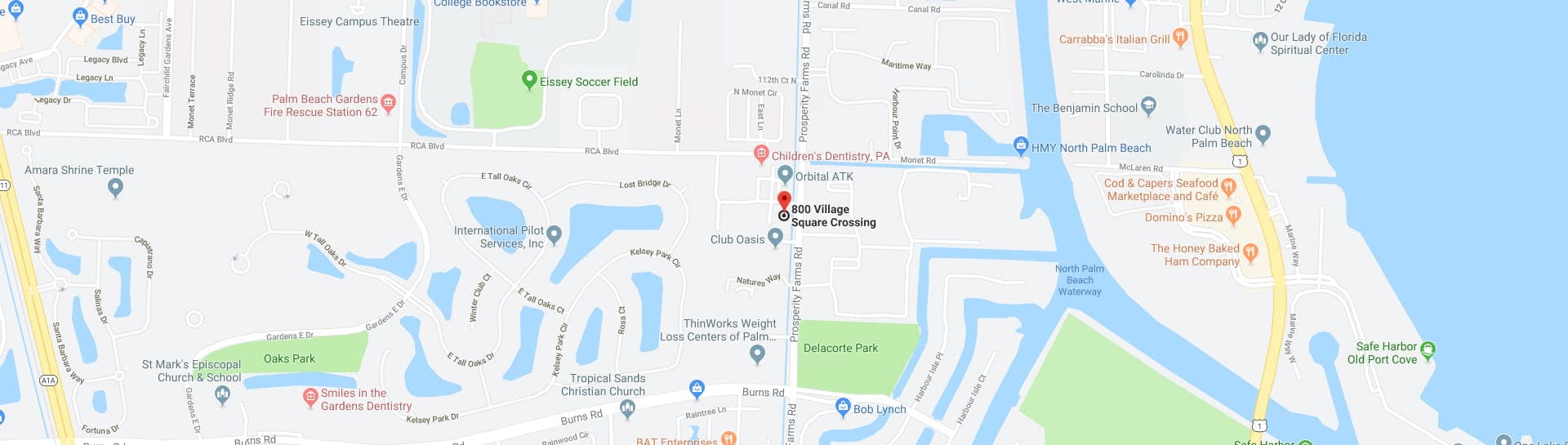
Palm Beach Gardens
- 800 Village Square Crossing
Palm Beach Gardens, FL 33410 - (561) 575-6880
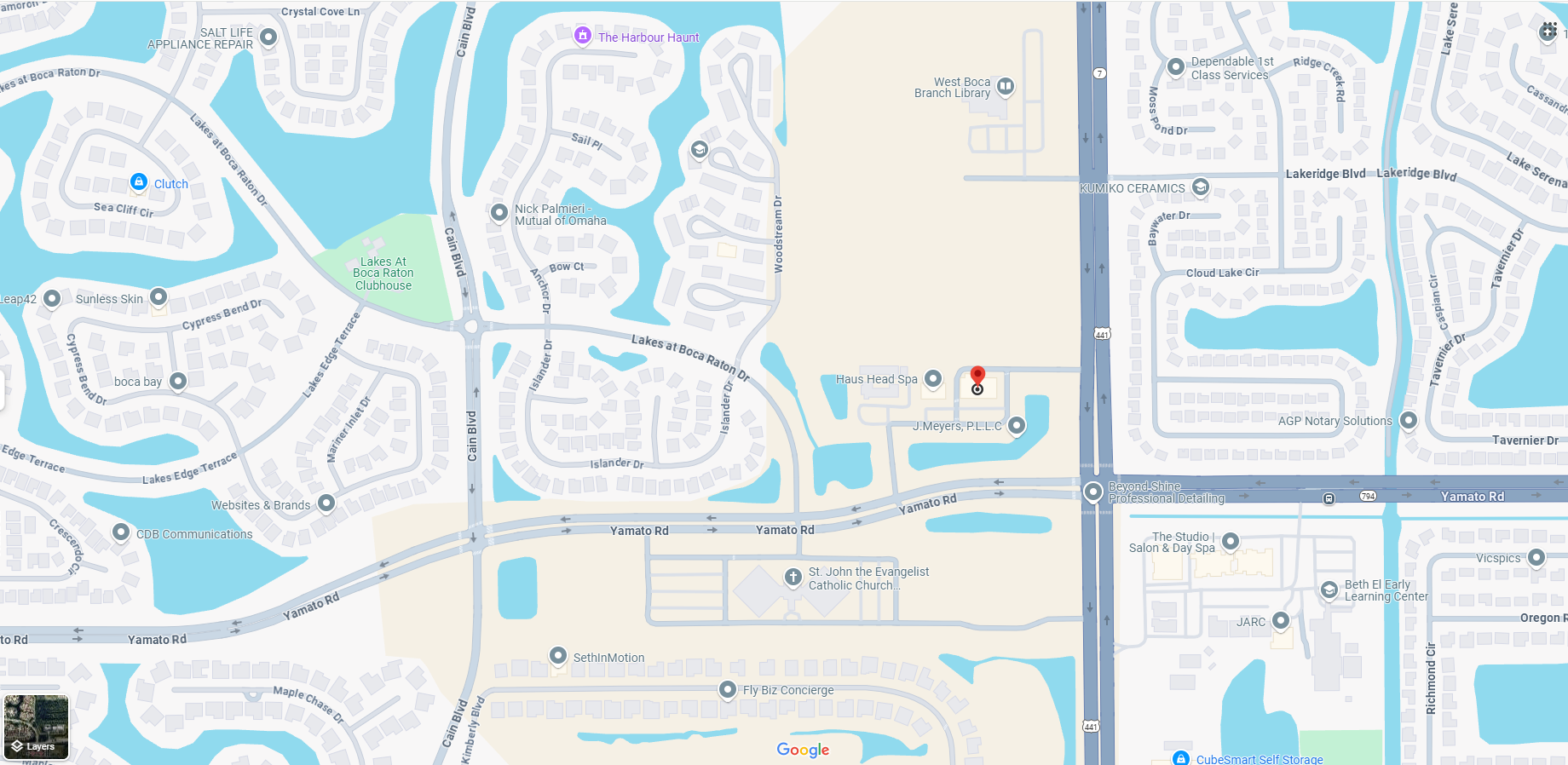
Boca Raton
- 10055 Yamato Road
Suite 509
Boca Raton, FL 33498 - (561) 988-8000
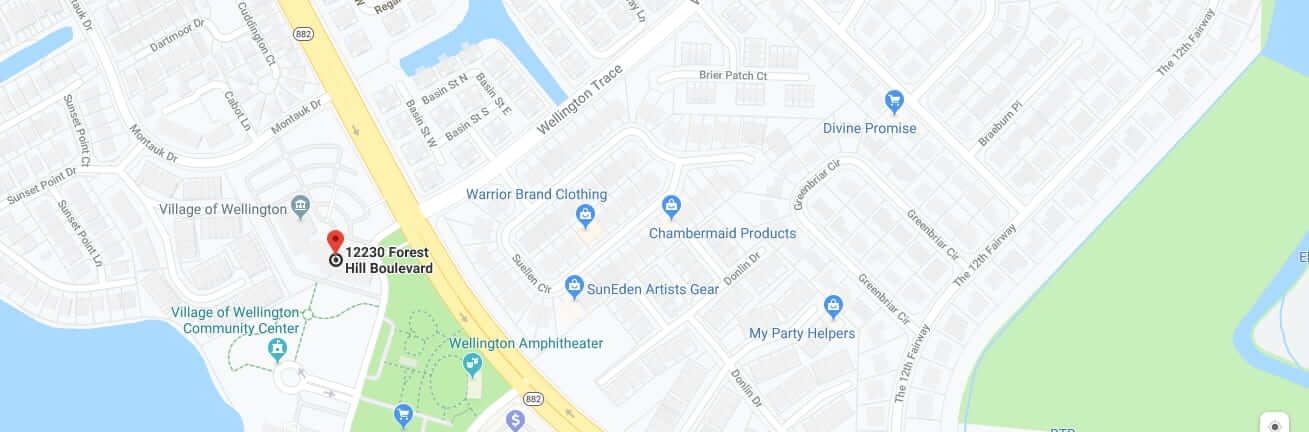
Wellington
- 12230 Forest Hill Blvd
Wellington, FL 33414 - (561) 833-4300