 (561)988-8000


In Hollywood, those who have been charged for committing a fraud offense may not only be at risk of damaging their professional life, but their personal reputation within their community as well. Luckily, there are legal avenues for those who have been accused of committing this offense.
If you have been charged with a fraud offense, it is imperative to retain the services of one of our trusted Leifert & Leifert Attorneys. A Hollywood fraud Lawyer could work with you to construct a solid defense and advise you on what legal actions you should take.
How is Fraud Defined in Hollywood?
Fraud is a broadly defined criminal offense that encompasses various actions. You may be accused of fraud if you intentionally falsified information or falsely represented a material fact, usually for financial benefit. Any act of concealment, dishonesty, or duping others constitutes fraud under Florida law. Fraud offenses may also contain the following elements:
- Knowledge that the statement or representation was untrue
- The falsity concerned a material fact in the transaction
- Injury to others resulted from the deception
- Others reasonably relied on the false statement or misrepresentation
Fraud schemes can range from cashiers skimming cash to engineering large corporate fraud schemes to defraud investors. A Hollywood fraud Lawyer may be able to defend you if you are facing accusations of fraud and shield you from some or all potential penalties.
What are the Penalties for Fraud?
The range of penalties for fraud also varies widely according to the type of fraud and the value of the losses as a result of the fraud. For example, under Fla. Stat. § 832.05, if you commit fraud by writing bad checks, you could face first-degree Misdemeanor charges. If a bad check is for more than $150, however, or if multiple bad checks add up to this amount, the offense can increase to a third-degree Felony.
Likewise, if you commit identity theft, or criminal use of personal identification information under Fla. Stat. § 817.568, charges may be as lenient as a first-degree Misdemeanor and as severe as a first-degree Felony. Penalties for identity theft rely upon the numbers of persons from whom individuals stole personal identification information and the value of the losses that resulted. A Hollywood fraud Lawyer in may be able to explain the full range of penalties for certain fraud charges and how they might apply to your case.
Common Fraudulent Crimes
Considering the wide range of illegal activities which would be described as fraud, some common types of fraud include tax fraud, mortgage fraud, and credit card fraud.
Tax Fraud
Tax fraud can occur with respect to any Federal or State taxes. You may commit tax fraud by concealing income and failing to report it on tax returns, claiming unlawful deductions, or just failing to file a tax return at all. Tax fraud can result in both civil and criminal penalties.
Mortgage Fraud
Real estate can involve mortgage brokers, real estate agents, and other professionals, as well as investors who have completed fraudulent loan applications. Inflating the appraisal of a piece of real estate to get a larger loan, overstating income, and failing to fully disclose debts and liabilities could lead to a mortgage fraud accusation.
Credit Card Fraud
Like other types of fraud, credit card fraud can have harsh consequences. Credit card fraud can be as simple as physically stealing a credit card and using it without the consent of the owner, or a merchant taking the credit card information from several customers and using it to make unauthorized purchases.
Identity Theft
Fla. Stat. § 817.568 states that it is unlawful to purposely use, or possess with intent to use, the personal identification of others without their consent. Personal identification information may include the following:
- Name, address, telephone number, social security number, date of birth, and other primary means of identification, including personal identification numbers
- Unique biometric data and electronic data
- Medical records
- Telecommunication identifying information or access device
Additional identification information could include bank account numbers, identification codes, and other personal access codes. A Hollywood lawyer may be able to help determine whether you fraudulently utilized or possessed with the intent to use any personal identification information defined by the statute.
Other Examples of Identity Theft
If you use the personal identification information of others solely to harass them, you may commit harassment by use of personal identification information. This offense is a first-degree Misdemeanor offense, with a maximum penalty of one year in jail and a $1,000 fine.
Furthermore, if public records facilitated or furthered any fraudulent use of personal identification information, the offense is reclassified to a higher degree. For instance, if the first offense is a third-degree Felony, the involvement of public records would increase the charge to a second-degree Felony.
Persons who are the parent, legal guardian, or custodian of individuals under the age of 18 or over 60 and who willfully and fraudulently use the personal identification information of these individuals also violate the law. This offense is a second-degree Felony offense under Florida law. An attorney may help defend you if you have been accused of fraudulent use of a person’s identification information without the owner’s consent.
Penalties for Identity Theft
Fraudulent use of personal identification information is a third-degree Felony under Florida law. A conviction for a third-degree Felony can result in up to five years in prison and a maximum $5,000 fine.
However, identity theft may become a second-degree Felony offense if the fraudulent use of personal identification information involves any of the following situations:
- The financial benefit of the fraud exceeded $5,000
- The individuals used the personal identification information of between ten and 20 people
A conviction for a second-degree Felony may result in a maximum 15 years in prison, with a mandatory minimum sentence of incarceration of three years. The fine that a judge assesses in a sentence for a second-degree Felony is a maximum of $10,000.
For identity theft that involves fraud worth $50,000 or more or the personal identification information of between 20 and 30 people, the charge may be considered a first-degree Felony. A conviction for a first-degree Felony could result in a $10,000 fine and 30 years in prison. The mandatory minimum prison sentence is five years, and if the fraudulent gain is $100,000 or more, then the mandatory minimum prison sentence is ten years.
Common Examples of Embezzlement
Some common examples of embezzlement may include bank tellers who divert the cash that customers deposit for their use and purposes or financial advisors who misappropriate the funds of clients to their accounts for their usage. Another example of embezzlement might occur if caregivers of elderly persons steal money from them since they have access to their bank accounts.
The shared factor in all these examples is that the individuals had the legal authority to handle, deposit, invest, and otherwise hold the embezzled funds on behalf of their owner. The owners agreed to entrust the funds to them, and the accused intentionally misused the funds.
Proving an Embezzlement Offense
Embezzlement has three distinct legal elements that prosecutors must prove to obtain an embezzlement conviction. These elements are as follows:
- There was a presence of a financial or fiduciary relationship between the accused individuals and the property owners
- Individuals used their legal access to those funds or property for personal benefit
- The transfer or misappropriation of funds or property belonging to others occurred intentionally
In all embezzlement cases, individuals possessed legal access to or custody of funds or property but had no ownership rights to those funds or property. Individuals who intentionally utilize those funds or property for their financial gain may face embezzlement charges. Considering the seriousness of this offense, a Hollywood fraud Attorney may be able to provide you with invaluable legal guidance if you have been accused of committing embezzlement. Our dedicated attorneys at Leifert & Leifert could fight for you.
Penalties for Hollywood Embezzlement
If the embezzled funds or property is worth at least $3,000 and less than $20,000, you would be committing a third-degree Felony grand theft. You could face up to five years in prison, a $5,000 fine, or both if convicted. For embezzled funds worth between $20,000 and $100,000, the charge would be considered a second-degree Felony. For this offense, you may face a maximum prison sentence and a $10,000 fine. If the embezzled funds are worth $100,000 or more, then the offense would be charged as a first-degree Felony resulting in a 30-year prison sentence and a $10,000 fine.
Embezzlement may also be charged as a Misdemeanor offense in some circumstances. For instance, the embezzlement of property is a first-degree Misdemeanor if it involves funds worth between $100 and $300. Embezzlement of property worth less than $100 is a second-degree Misdemeanor offense. Given the severity of embezzlement penalties, it is recommended to get in touch with a Hollywood fraud Lawyer for help with building a defense.
Call a Hollywood Fraud Attorney for Advice
You could face a wide variety of fraud charges under Federal and State law depending on the nature of the allegations against you. Fraud convictions, mainly when they involve large sums of money or multiple people who have lost funds or property due to fraud, could result in lengthy prison sentences, high fines, and restitution orders. When you are facing an investigation on fraud charges, you should consider the merits of enlisting a Hollywood fraud Lawyer for counsel and advice.
Our experienced Attorneys at Leifert & Leifert could carefully examine the charges against you and determine the gravity of your situation. Call today.
Plantation
- 8551 W Sunrise Blvd Suite
#102
Plantation, FL 33322 - (954)424 2200
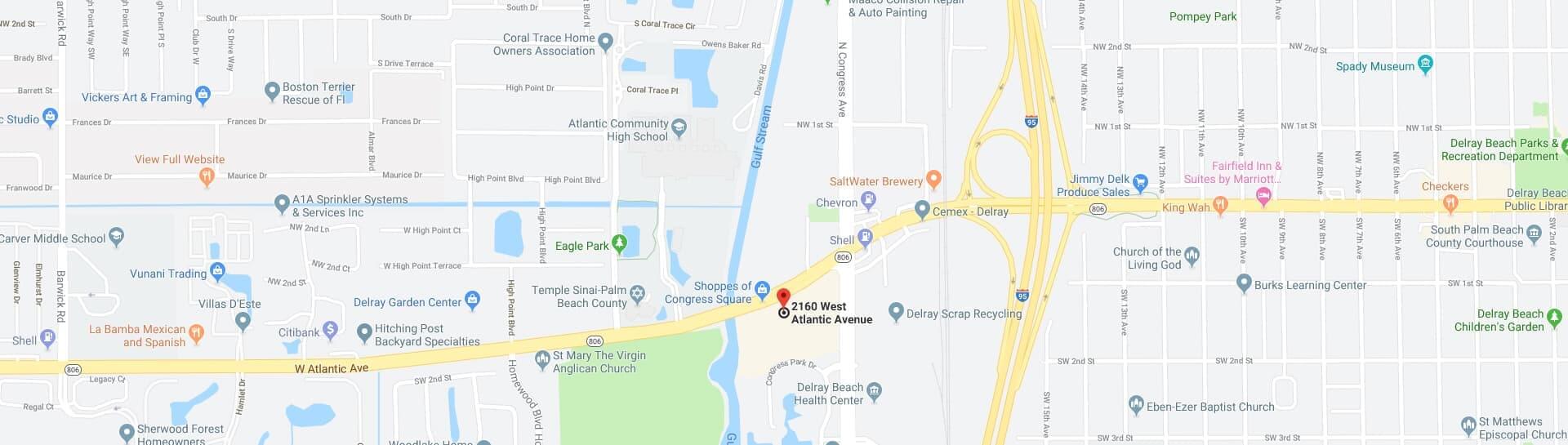
Delray Beach
- 2160 W Atlantic Ave
2nd Floor
Delray Beach, FL 33445 - (561) 988-8000
West Palm Beach
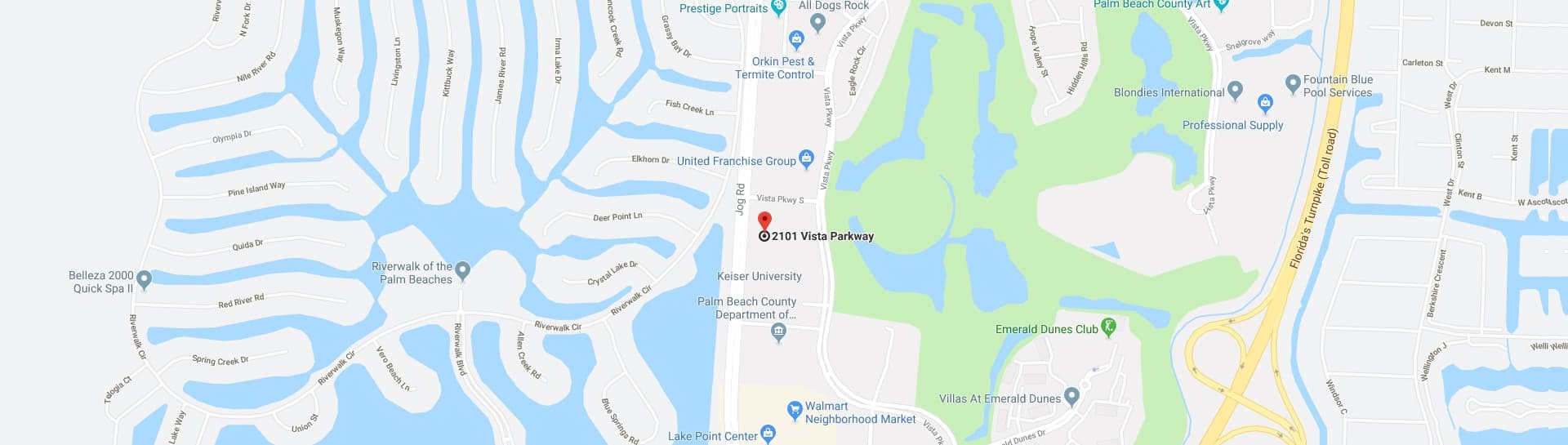
- 2101 Vista Parkway
#1006
West Palm Beach, FL 33411 - (561) 833-4300
Palm Beach Gardens
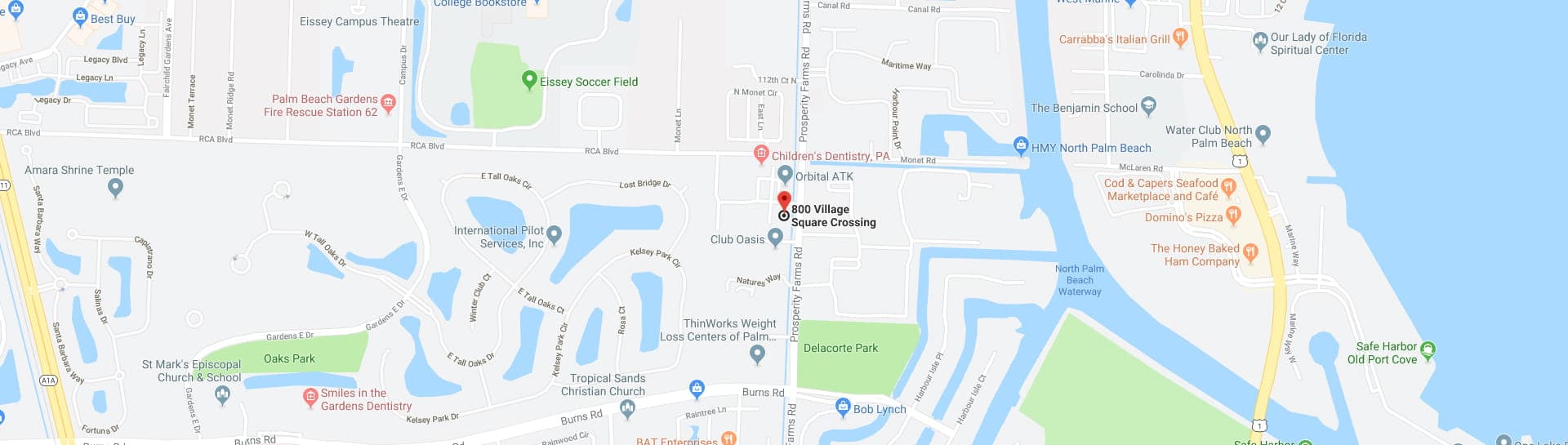
- 800 Village Square Crossing
Palm Beach Gardens, FL 33410 - (561) 575-6880
Boca Raton
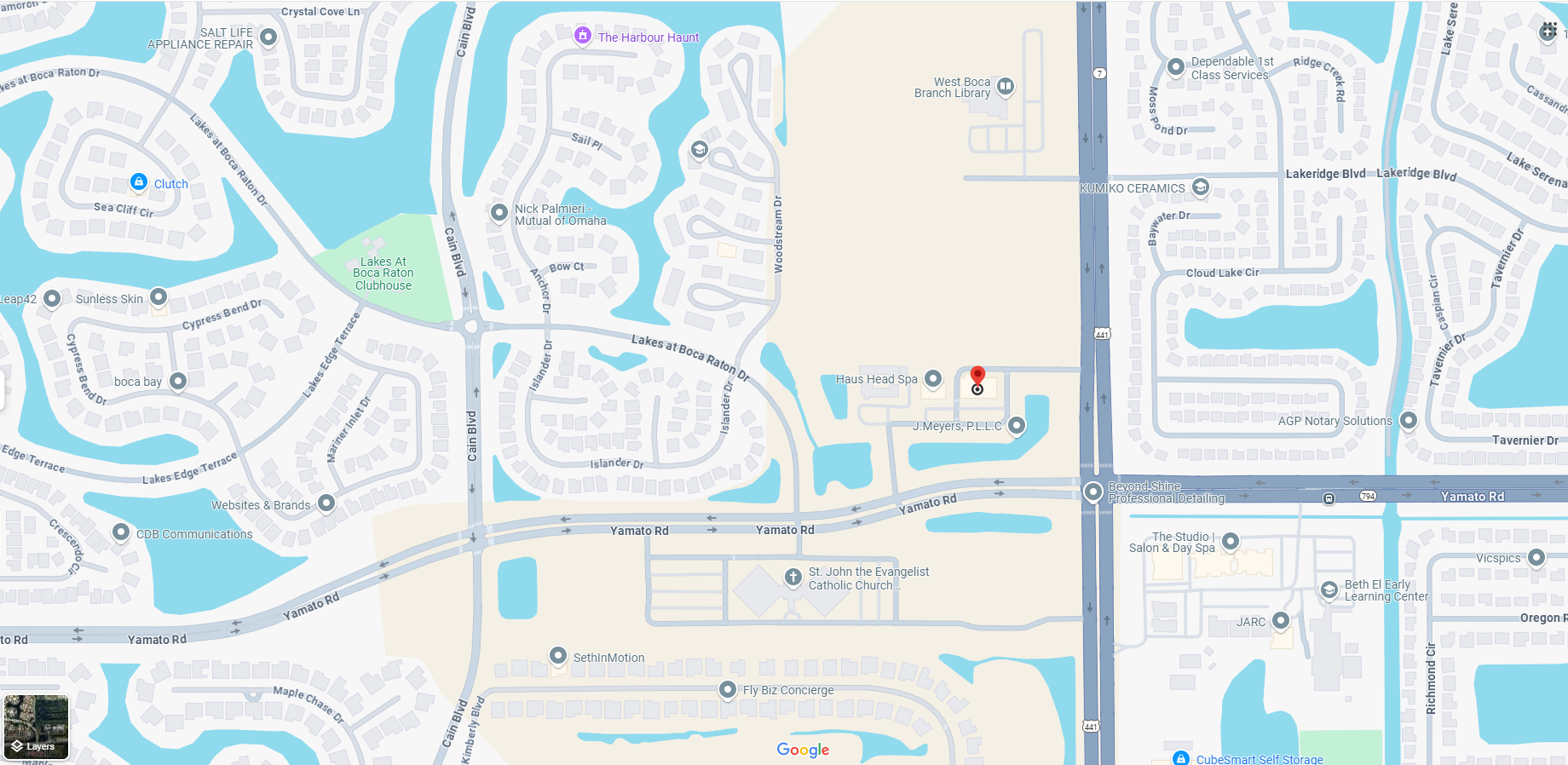
- 10055 Yamato Road
Suite 509
Boca Raton, FL 33498 - (561) 988-8000
Wellington
- 12230 Forest Hill Blvd
Wellington, FL 33414 - (561) 833-4300